

From Multi-Platform Agents to Carbon AIoT for Low-Carbon Intelligent Management of Solid Waste
This page documents two consecutive projects. The first isthe Zhejiang Provincial College Student Artificial Intelligence Competition(Provincial Second Prize):"Schedule Planning Elf" RAG Agent, and independently built aLangChain Long-Text Assisted Reading Agent.
Building on the above experience in RAG development, EdgeAI development, and IoT communication, I further participated inthe National College Student Social Practice and Science & Technology Competition on Energy Conservation and Emission Reduction. the Carbon AIoT Park-Level Low-Carbon Intelligent Solid Waste Management System—The project is currently under review.。
Abstract
During my undergraduate studies,I acquired agent technologies such as LangChain to meet practical needs including extensive literature reading and project advancement, which will enhance my efficiency in graduate research and future work.As a competition output, I participated in the Zhejiang Provincial Artificial Intelligence Competition, where the teamsubmitted the entry "Schedule Planner" agent,which leverages the DingTalk platform's UI workflowto accomplish natural language task parsing, candidate schedule decision-making, and interactive output.Compared with the platform's default template, this solution places greater emphasis on structured variable extraction, logical validation, and extensible execution workflows, demonstrating more stable performance in scenarios involving continuous multi-schedule creation and batch import of timetables.
Project Background and Personal Responsibilities
Top-Level Workflow Design
Centered on the process of "user natural language input → variable extraction → decision output → user confirmation → schedule writing," the input and output boundaries of each module are clearly defined.
Frontend and Backend Equivalent Service Implementation
Since the competition platform does not provide API authentication, an equivalent service was implemented based on the Deepseek API and the web frontend and backend to ensure demonstrability during the presentation and a closed interactive loop.
Embedded Voice Entry Integration
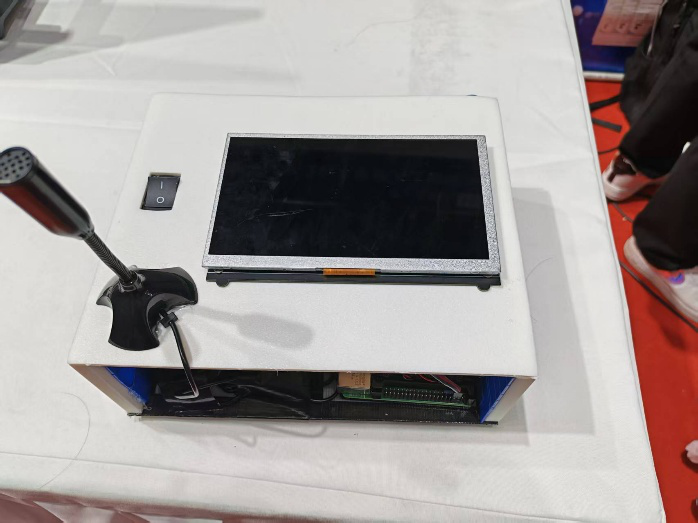
On the Raspberry Pi, a lightweight Flask service was used to integrate speech recognition, mapping voice input to cloud-based scheduling services to enable real-time schedule modification on the edge side.
RAG Pipeline Engineering (Other Demos)
The LangChain RunnableSequence pipeline was supplemented for long-text question answering and knowledge retrieval, validating the development approach of an "explainable + constrained" intelligent agent.
Paradigm One: AI Decision-Making + Code-Standardized Variables + Modular Execution
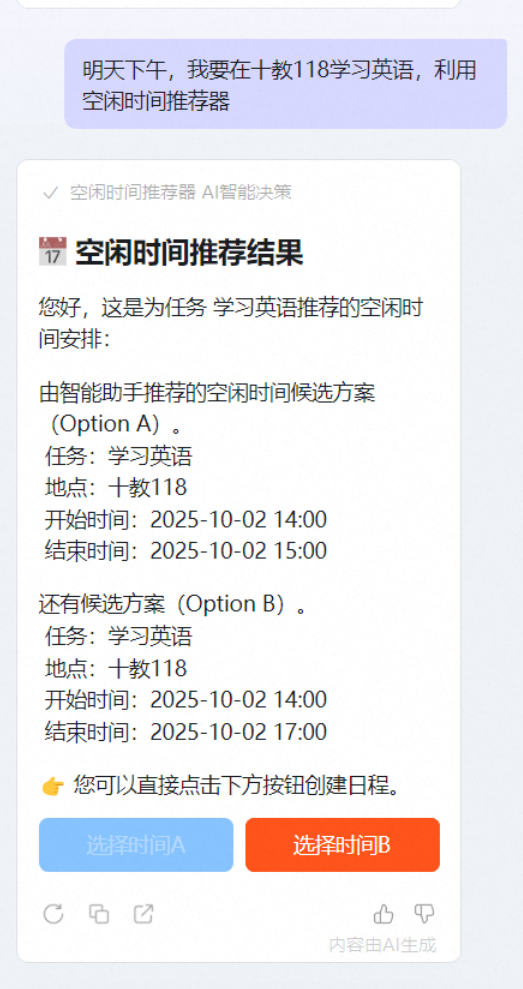
The competition project primarily utilized the DingTalk platform, relying on its UI for operations.An intelligent agent named "Schedule Planning Elf" was constructed.During the development of this intelligent agent, I summarizedthe development pathway for UI-based intelligent agents: "AI extracts information and makes decisions + code-standardized variables + modular execution."Specifically, this means that for natural language input from users (e.g., "Create a breakfast schedule at 8 a.m. tomorrow"), traditional code constraints struggle to handle flexible and varied linguistic forms. Therefore,the UI is used to set the information that the LLM needs to extract from the user's language instructions,such as schedule time defined as a time-format variable and schedule content defined as a string variable. Then, using AI-Prompt settings, the user's requirements are compared with existing DingTalk schedules to avoid time conflicts (the platform provides an API for querying existing schedules, which can be configured in the GUI-based intelligent agent development interface).The AI then decides on two candidate schedule planning optionsand outputs the decision result in JSON format.To convert the JSON into variables within the intelligent agent,while also performing basic logical checks (e.g., whether the approximate time of "morning" conflicts with the planned schedule time),micro-code blocks are introduced for JSON validation and variable conversion.Finally, using the platform-providedOption Output Module (GUI Settings): Outputs schedule decision options to the user dialogue interface.。
| Workflow Processing Stage | Current Stage Input | Current Stage Core Processing | Current Stage Output |
|---|---|---|---|
| LLM User Instruction Extraction | User Natural Language Instruction (System Input) | LLM Extracts and Structures Variables such as Time, Task, and Location | Candidate Schedule Constraints |
| LLM Model Schedule Decision-Making | User’s Existing Schedule (System Input) + Candidate Schedule Constraints (Pipeline Transfer Input) | Compare with Existing Arrangements to Generate Conflict-Free Candidates or Minimal-Conflict Alternatives | JSON Decision Result |
| Micro-Block Normalization | JSON Text (Pipeline Transfer Input) | Parsing, Validation, Fault-Tolerant Conversion, and Temporal Semantic Completion | Executable Platform Variables |
| Output Module Execution | Executable Platform Variables (Pipeline Transfer Input) | Render the interactive button and wait for user confirmation or modification. | Return the pre-selected decision (system output). |
Paradigm 2: Multi-dimensional embedding of macro-level loops and micro-level formula code.
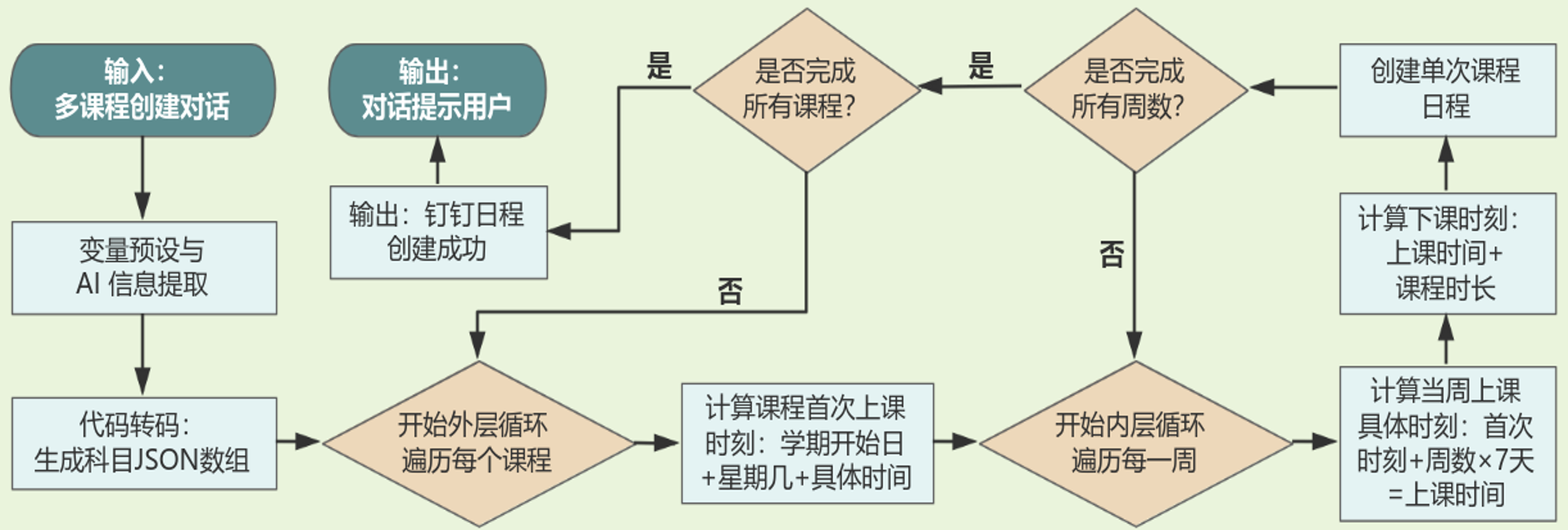
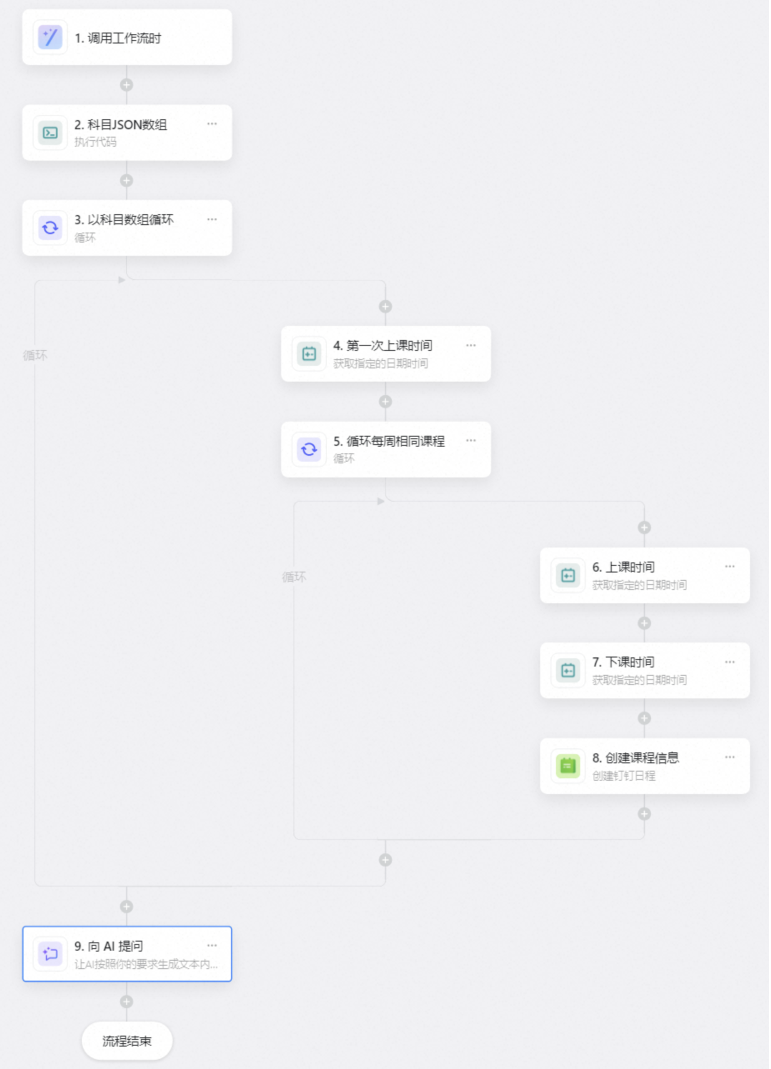
In the scenario of "batch importing university course schedules,"LLM is not suitable for handling a large number of repetitive computations. Therefore,the "weekly course shift" and "step-by-step entry of weekly courses" are decomposed into a double loop,forming
M × Na batch creation process of (number of courses per week × number of weeks in the semester). Meanwhile,operations such as "class time + week offset × 7 days" are assigned to the formula/code module for execution,thereby avoiding delegating deterministic computations to the large model, thus improving performance and stability.
Macro-level and micro-level coordination diagram (pseudocode).
for course in weekly_courses:
  first_time = calc_first_week_time(course)
  for week in semester_weeks:
    class_time = first_time + week * 7days
    create_schedule(course.name, class_time, course.duration)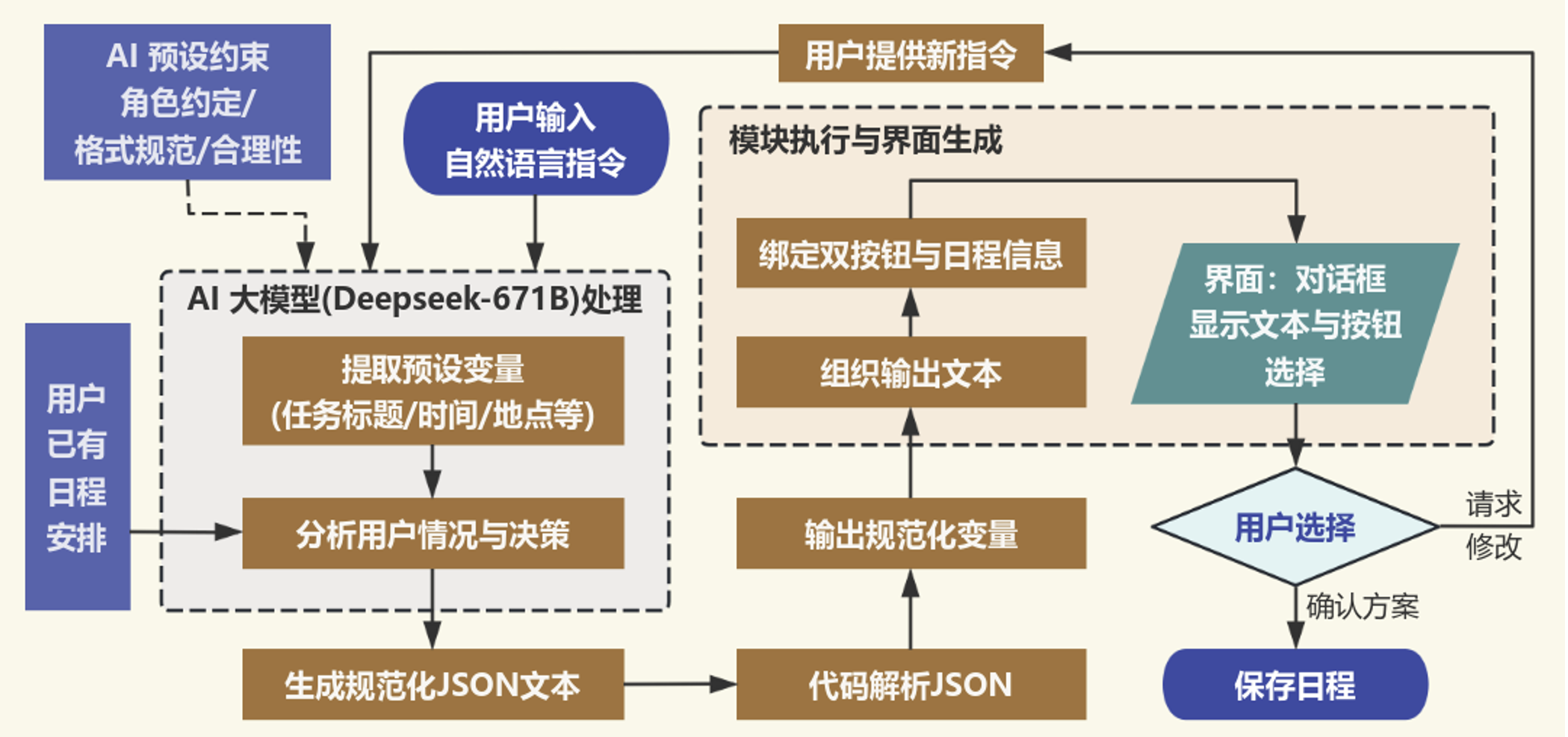
Roadshow: Raspberry Pi Edge Intelligent Agent
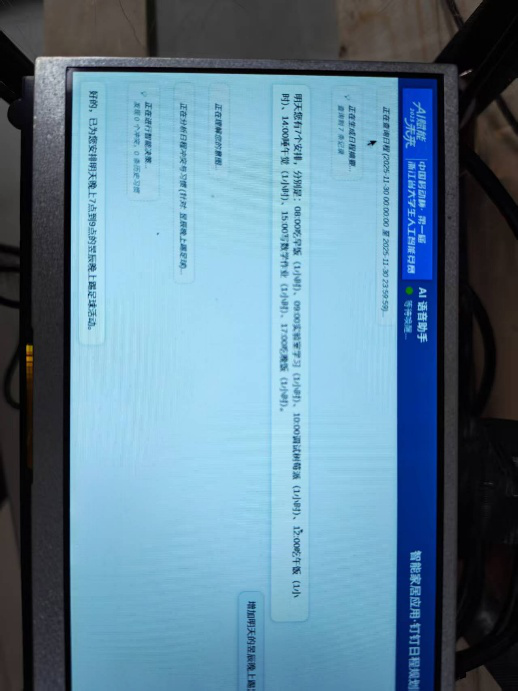
To more intuitively demonstrate the agent's deployment capability on real devices, I completedthe construction of a roadshow system based on Raspberry Pi + cloud services.On the edge side,voice input triggers scheduling instructions; parsing and schedule updates are completed on the cloud, and the results are transmitted back to the device-side interface, thereby verifying the engineering feasibility of "agent capabilities being transferable to edge scenarios."。
Roadshow usage. https://ai.cxrice.tech/ As a cloud service entry point: this site is invoked via the DeepseekChat_API and implements the Web-side workflow by following the agent development philosophy of "AI decision-making + code-standard variables + module execution" from this project, while also providing cloud service capabilities to the Raspberry Pi side.
LangChain/RAG Practice
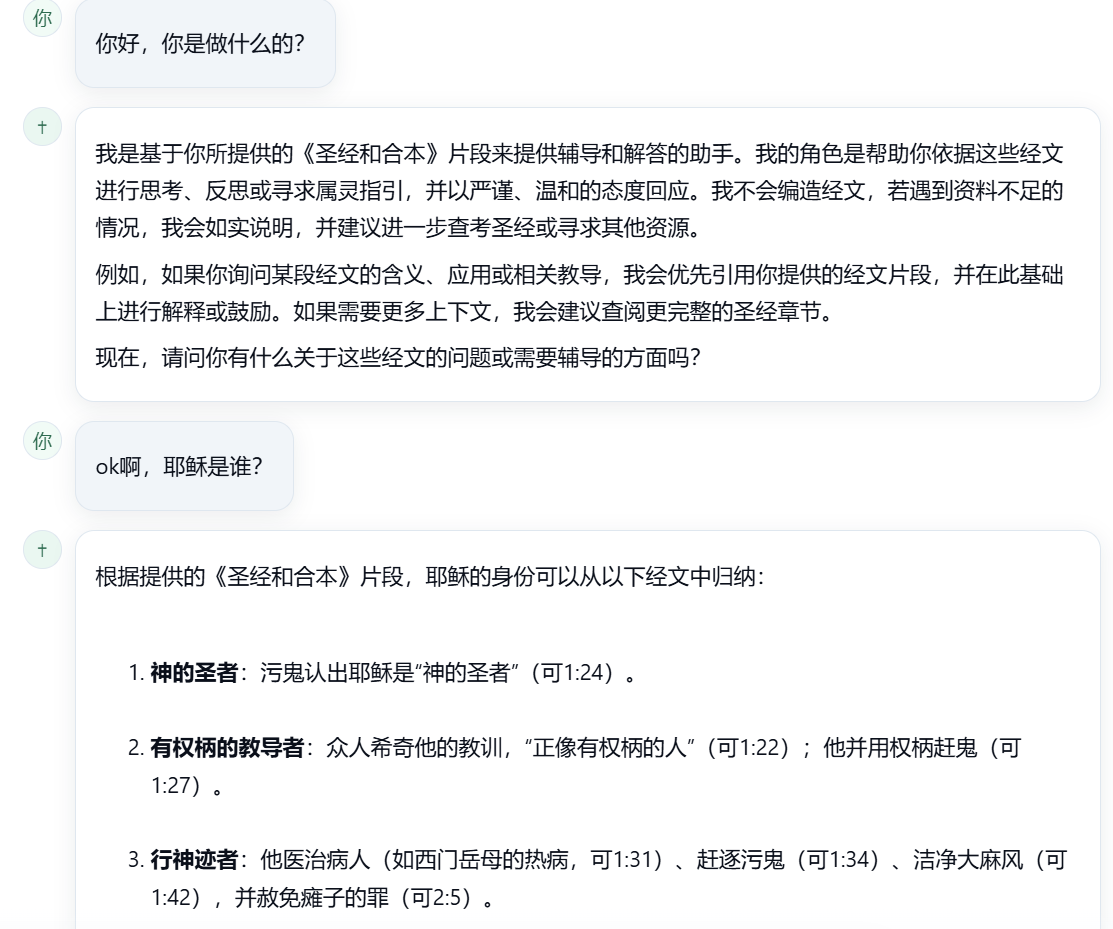
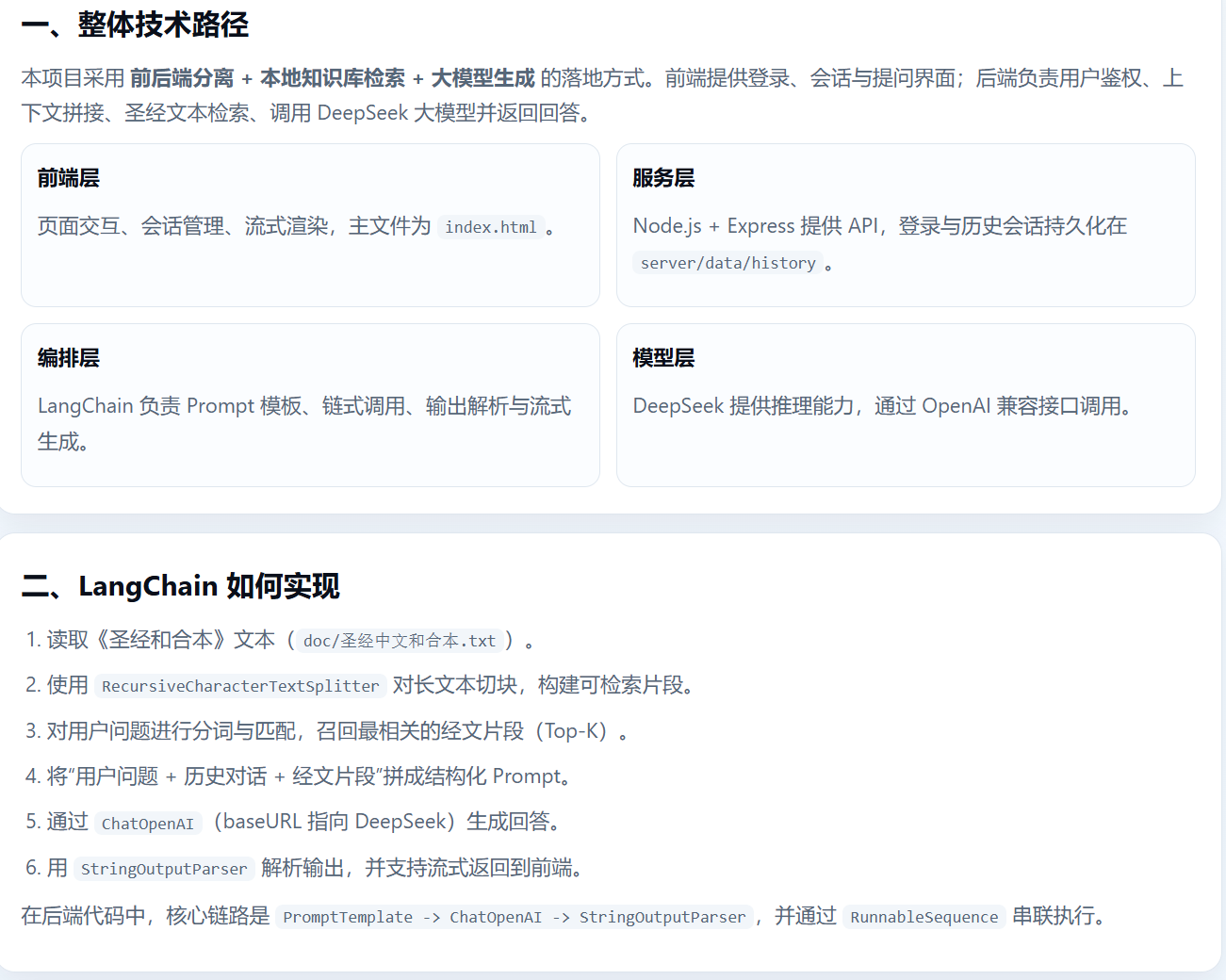
In addition,leveraging the UI agent of the major platform, I have also constructed a LangChain-based long-text retrieval and question-answering agent within the Python technology stack.For tasks involving reading or utilizing long texts (e.g., technical manuals, philosophical literature), the primary approach is to employ theRAG (Retrieval-Augmented Generation) workflowto build a LangChain RunnableSequence chain processing mechanism, which consists of three main steps: Template (preprocessing of user questions and source materials) → Model (sending requests to DeepseekAPI for processing) → Output Parser (outputting MD-formatted text strings). Taking thelong philosophical text *The Bible* reading demoas an example, when the agent is initialized, it loads andsegments the biblical text(preprocessed into a total of 1,301 text chunks, each of 1,200 characters with an overlap of 120 characters), thenprocesses the user's question(e.g., "What is 'justification by faith' in New Testament Christian philosophy?", tokenized into two-character combinations such as "justification" and "by faith"), and subsequentlytraverses the preprocessed text chunks, ranking them according to their relevance to the query. In this way, irrelevant content such as that from the Old Testament can be largely filtered out. Using LangChain's Prompt constraints, for example, requiring that the agent must prioritize the provided biblical passages and must not fabricate scriptures, and inserting the most relevant retrieved biblical paragraphs, user questions, and dialogue context, the system finally calls the Deepseek-API key and returns the generated response to the user.Based on the above engineering example of social science applications, it is evident that agent development centered on LangChain significantly enhances work efficiency.
LangChain *Bible* reading agent experience link
Online Demo (Guest Mode)
https://forshitie.cxrice.tech/
This page demonstrates the LangChain intelligent agent Q&A workflow and frontend interaction.
PDF Report
If the browser cannot preview PDF directly, use the "Open in New Window" button.
the Carbon AIoT Park-Level Low-Carbon Intelligent Solid Waste Management System
Experience accumulated in the Zhejiang Provincial Artificial Intelligence Competition, including multi-platform intelligent agent development (DingTalk RAG schedule planning assistant, LangChain long-text reading agent),the National College Student Social Practice and Science & Technology Competition on Energy Conservation and Emission ReductionEdgeAI deployment experience (Raspberry Pi + MobileNetV2), and IoT communication experience, has laid a technical foundation for my further participation in the design and development of the Carbon AIoT Intelligent Management System for Solid Waste in Campus Living Areas—a complete closed-loop system for campus scenarios encompassing "low-carbon classification, carbon emission accounting, and low-carbon operation and maintenance." This project is currently under review.。
Targeting the three major pain points in solid waste management—"difficulty in fine-grained classification, difficulty in accounting, and high carbon emissions from operation"—the system leverages AI and 5G cloud technologies to construct Edge Intelligent Terminal "GreenBox"HarmonyCarbon-Pollution Twin Intelligent Computing Platform "GreenCloud"a terminal responsible for automated fine-grained waste data collection and sorted disposal, and a cloud platform responsible for precise carbon and pollution accounting and AI-RAG intelligent operation and maintenance.
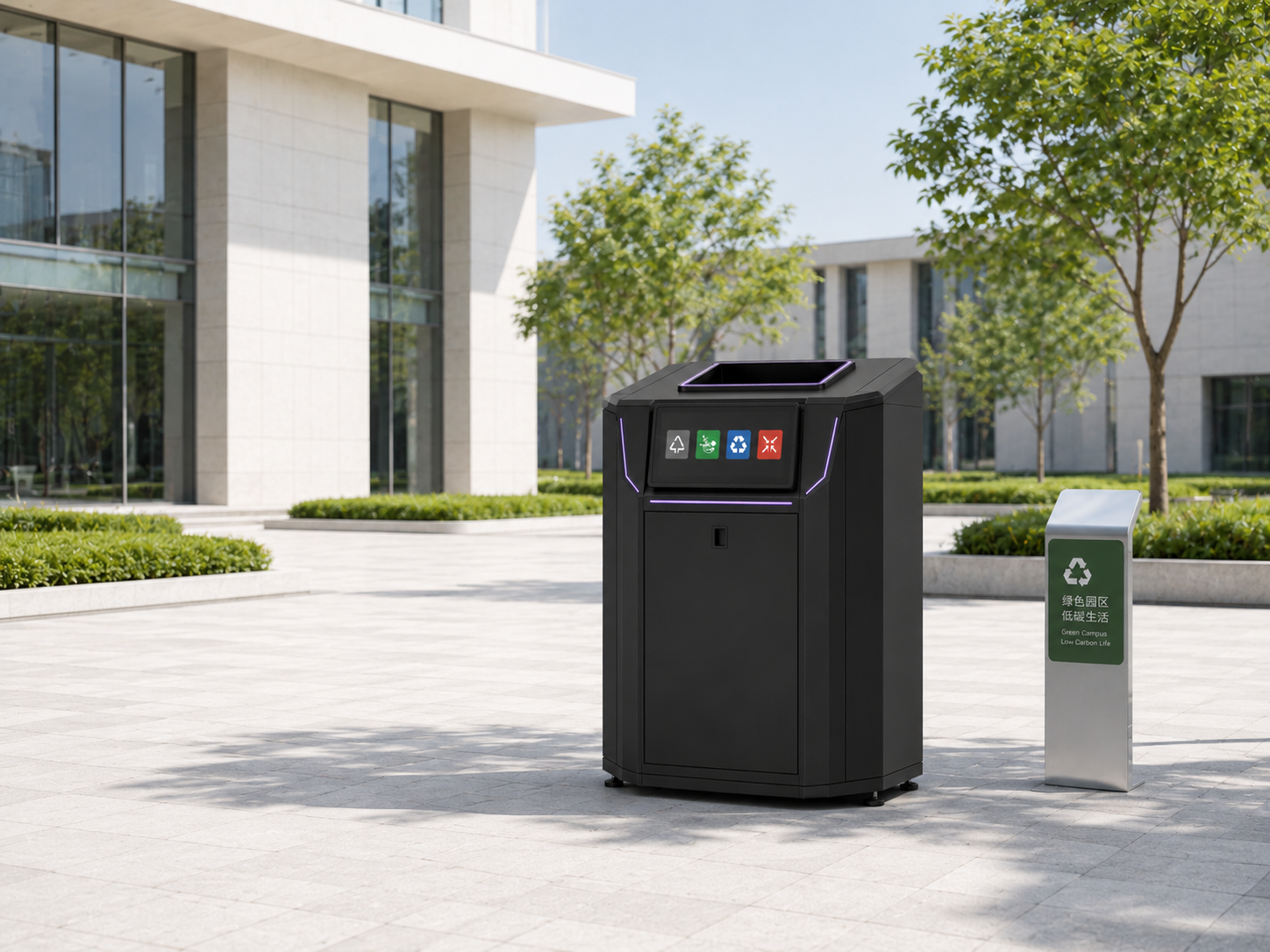
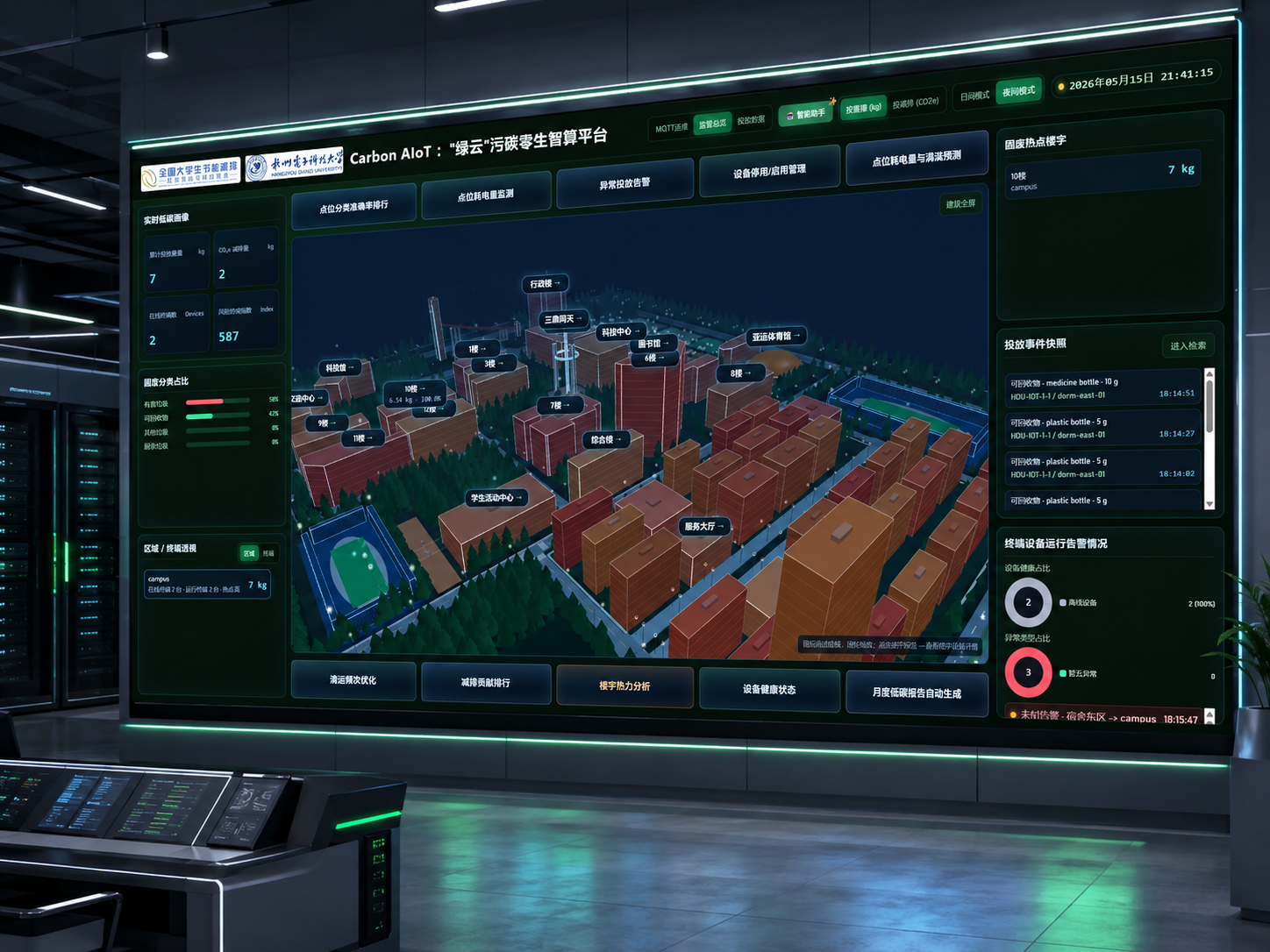
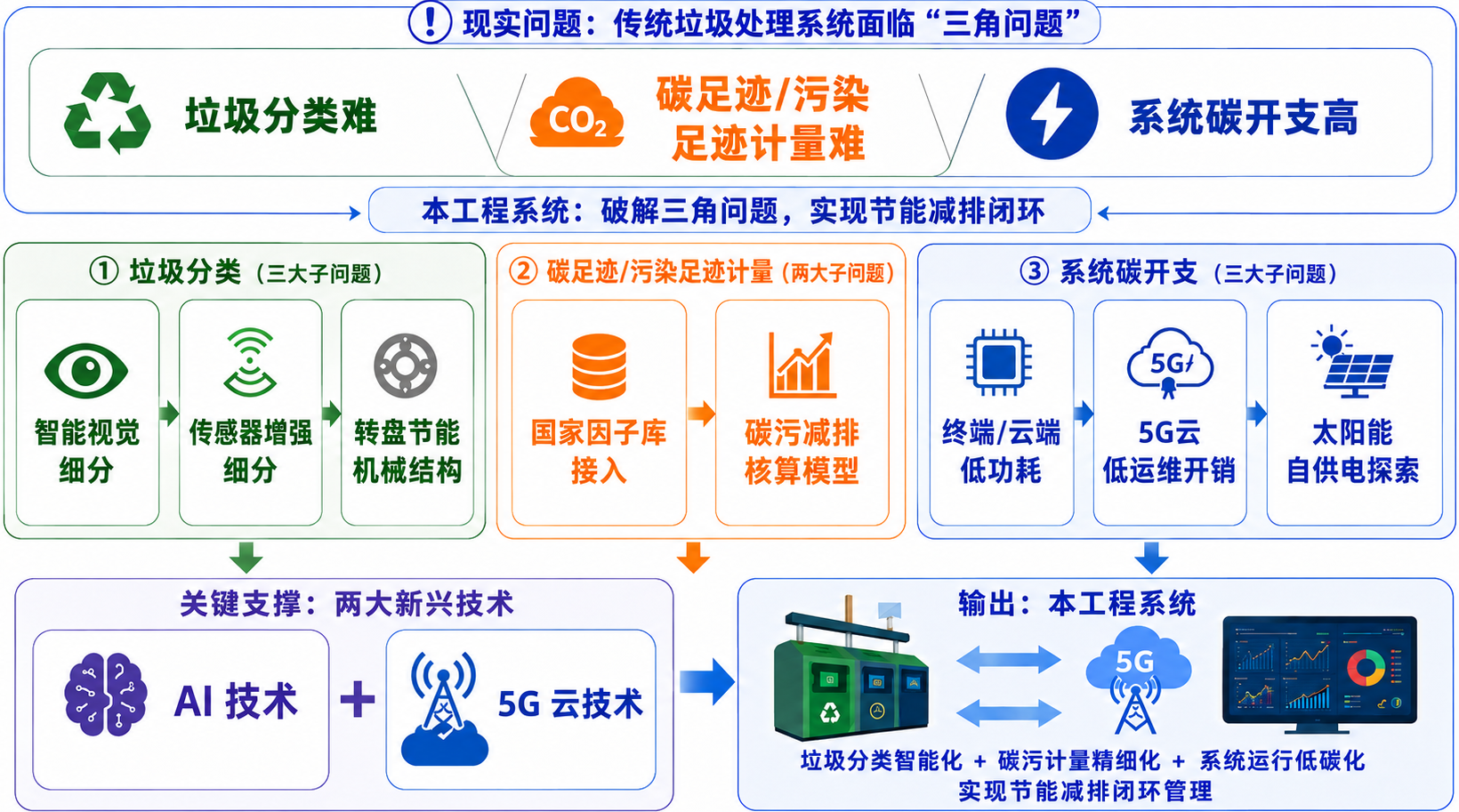
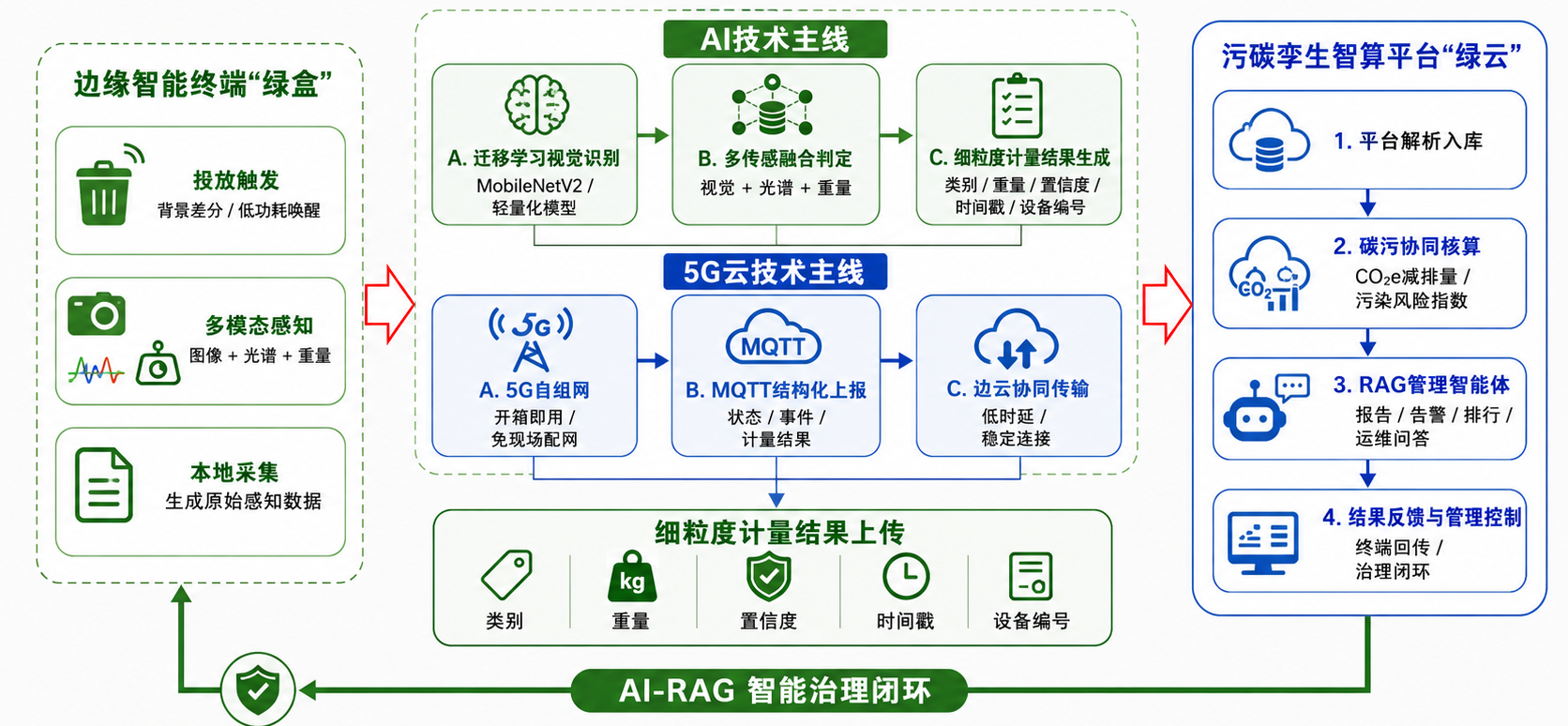
Edge Intelligent Terminal "GreenBox"
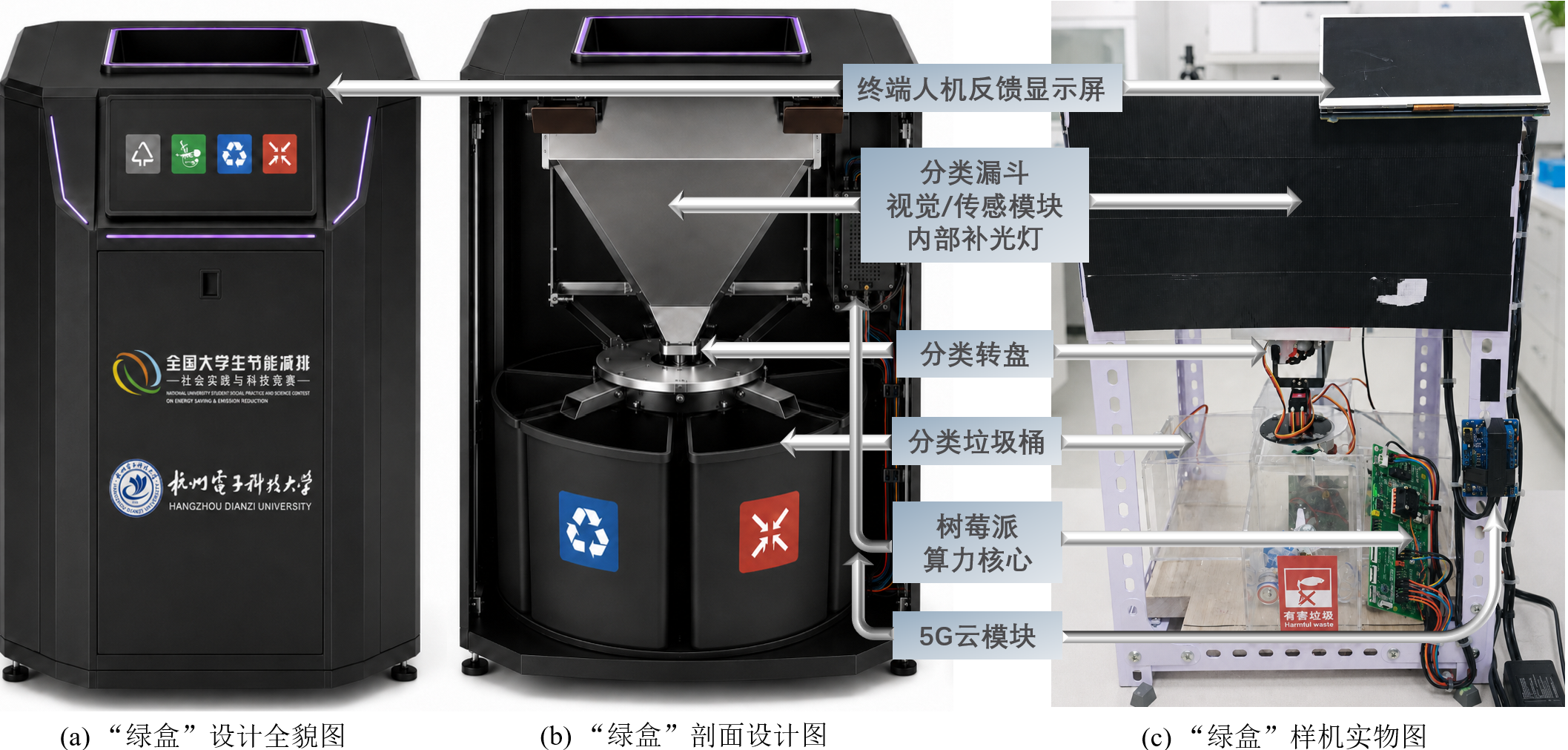
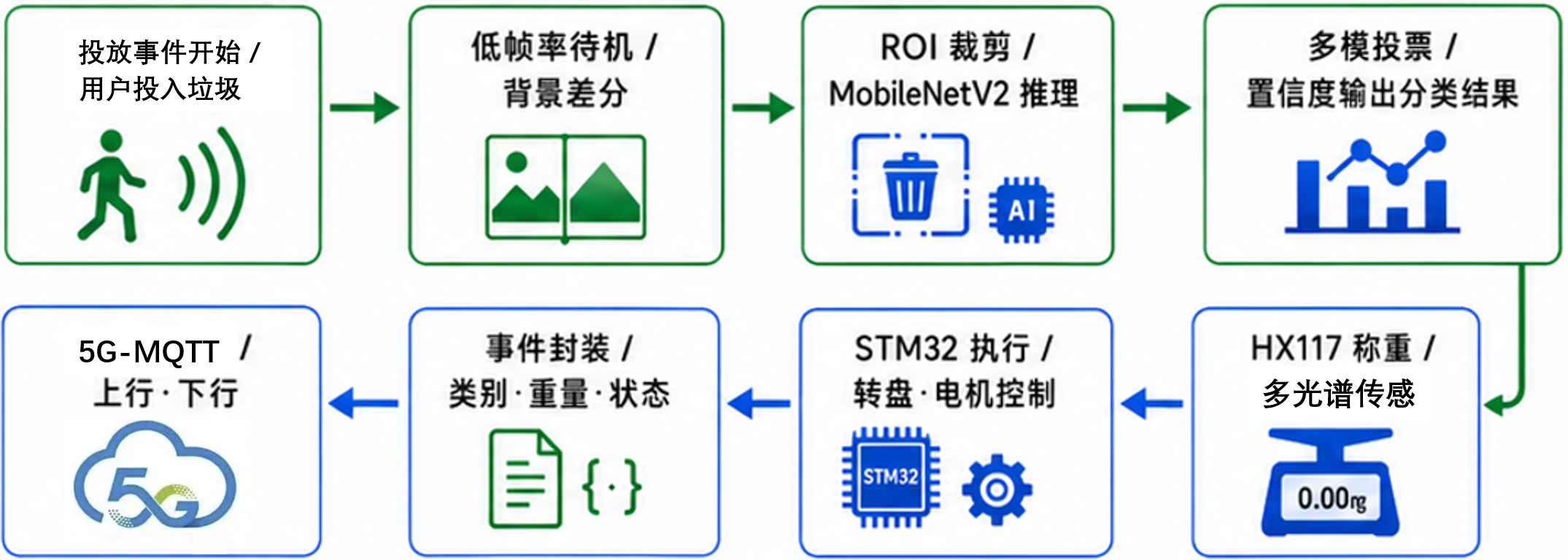
The physical prototype of "GreenBox" measures 400×400×600 mm, weighs 7.45 kg, and has an effective volume of 2 L. The core design concept is that the user's act of discarding waste itself triggers an entire recognition chain—when the waste falls from the top inlet and pauses at the funnel, the energy-saving standby algorithm detects the motion and wakes the system from low-power mode, the edge AI vision model is activated, the multispectral sensor determines the material, and the weighing module simultaneously collects the weight. A complete disposal record is thus generated: type, material, and weight—all metadata are stored in the database.
EdgeAI visual recognition and multimodal sensing
The terminal adopts MobileNetV2 a TFLite INT8 quantized model after transfer training, achieving a single-frame inference latency of approximately 280 ms on the Raspberry Pi 4B, with a fine-grained classification accuracy of 96.8%The model size is only 1/8 of YOLOv5s, making it highly suitable for edge deployment. In addition to vision, the terminal is equipped with a micro-spectral sensor (400–1000 nm) and an HX711 weighing module, forming a three-dimensional perception fusion of "vision + spectrum + weight."
Incremental statistics-based standby energy-saving management algorithm
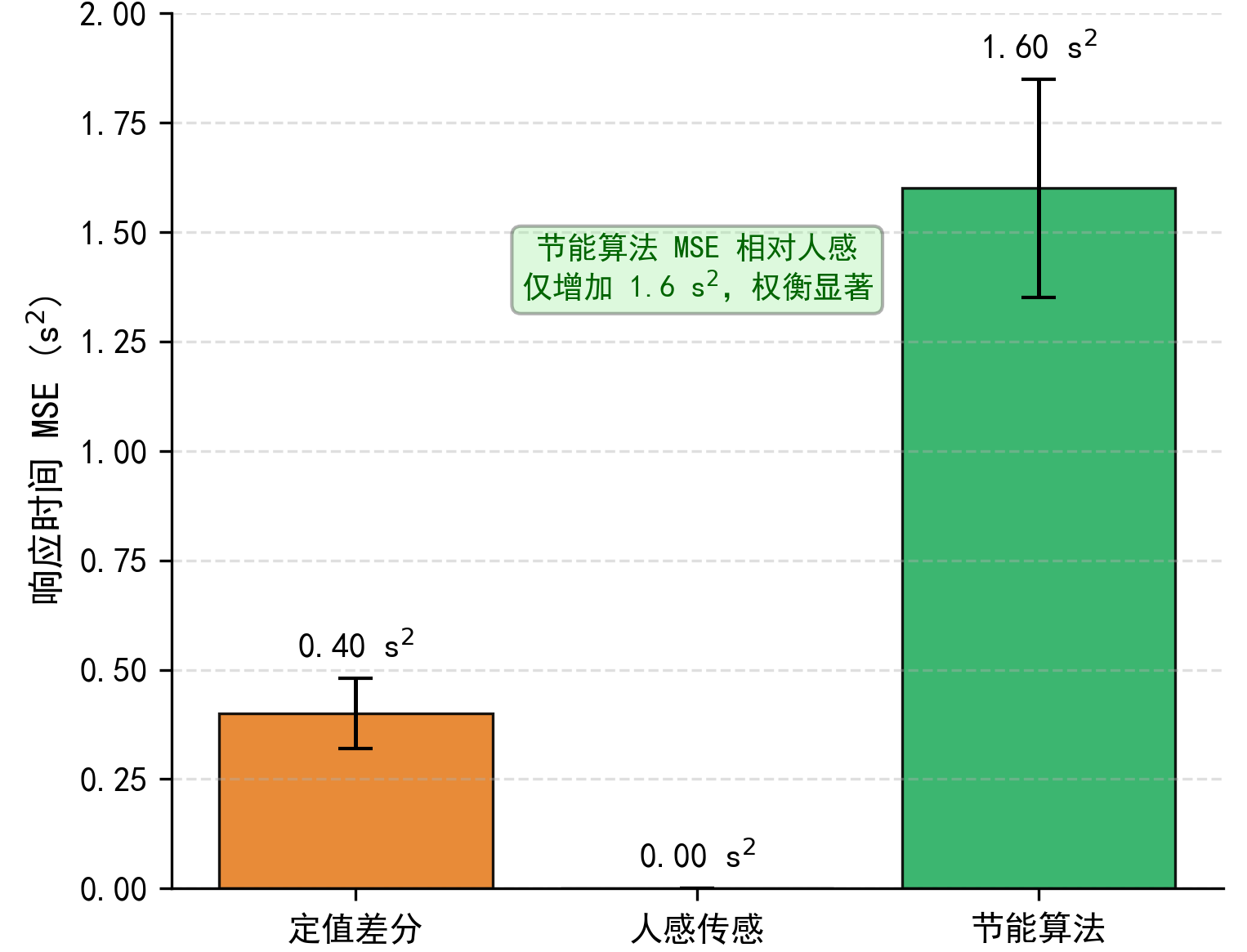
As a terminal device placed within the campus, the "Green Box" remains in standby mode most of the time. Traditional approaches use fixed-value differential or human presence sensors for state switching, resulting in high power consumption. The team proposed astandby energy-saving management algorithm based on incremental statistics,which essentially enables the device to learn users' behavioral patterns across different time periods: maintaining a higher detection frame rate during peak pedestrian hours to ensure responsiveness, and actively reducing frequency during late-night or low-activity periods to save power.
Core formula:
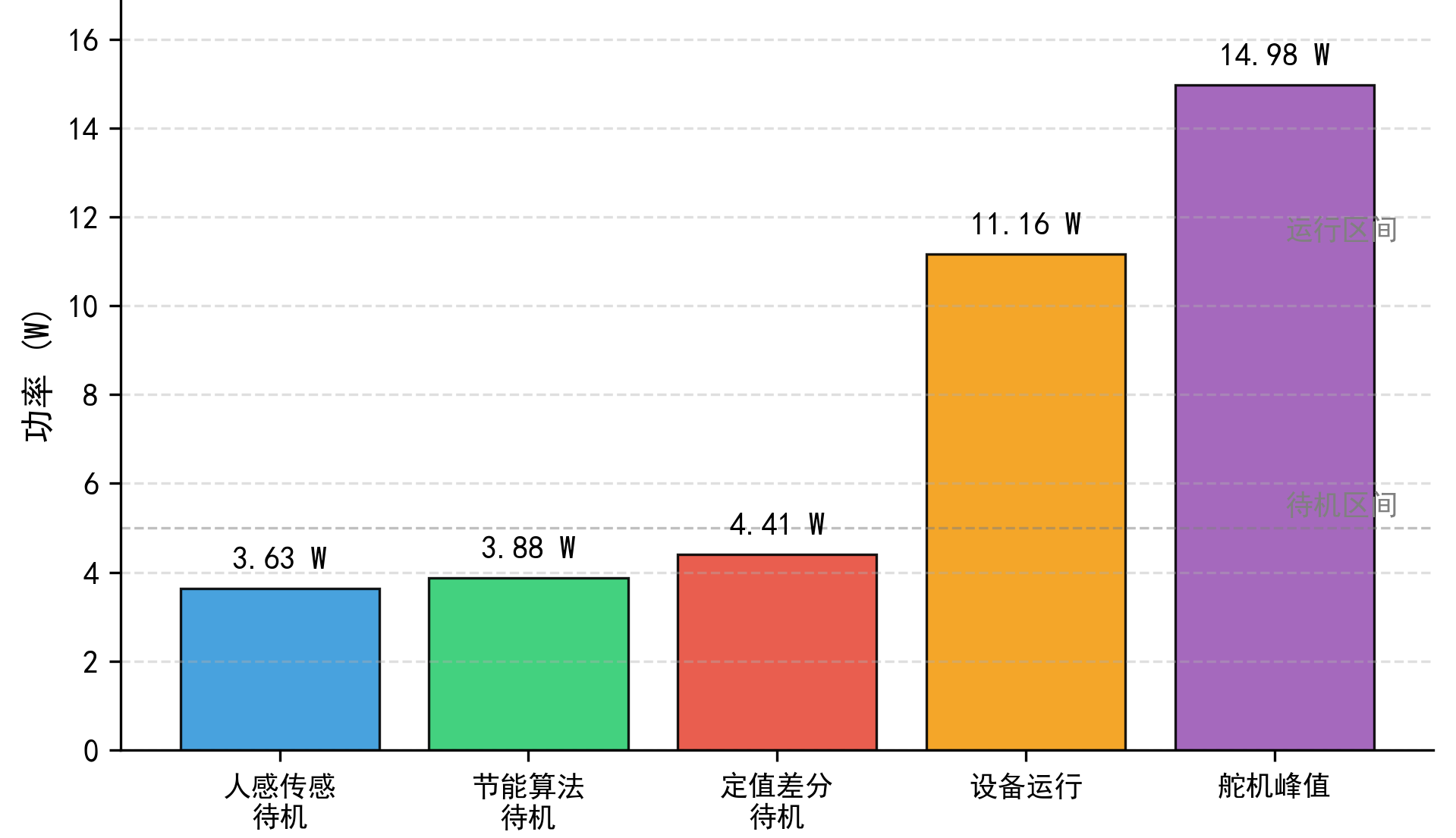
$$\lambda_{f} = \alpha\lambda_{s}+(1-\alpha)\lambda_{p}, \quad \lambda_{s} = \beta\lambda_{s}+(1-\beta)\lambda_{c}$$ $$P_{e} = 1-e^{-\lambda_{f}t_{\text{pred}}}, \quad f = f_{\min}+(f_{\max}-f_{\min}) \cdot \frac{P_e-P_{\min}}{P_{\max}-P_{\min}}$$Measured comparison: The fixed-value differential solution has a standby power of 4.411 W, the human presence sensor solution 3.632 W, andthe energy-saving algorithm solution 3.876 W.Considering the total annual energy consumption per unit (including production energy consumption), the energy-saving algorithm solution controls the annual electricity consumption per unit to approximately 37.6 kWh .
5G Cloud IoT: Plug-and-play with low maintenance
Traditional Wi-Fi solutions require adaptation to local authentication rules when deployed in different campuses. Once the campus network is shut down, upgraded, or its rules change, maintenance personnel must go on-site to reconfigure each device. The team instead adopted a5G Cloud IoT module,which integrates the entire automated process of networking, authentication, group formation, and backend management. It is plug-and-play,eliminating the need for manual configuration of each device. Additionally, the low data consumption characteristic of 5G IoT makes the communication-level energy consumption inherently lower than that of Wi-Fi.
| Evaluation Dimensions (Scale of 100 Units) | Wi-Fi Solution | 5G Solution | Carbon Reduction Amount |
|---|---|---|---|
| Initial Deployment Carbon Emissions | 0.52 t | 0.02 t | 0.50 t |
| Long-Term Emergency Operation and Maintenance Carbon Emissions (Once Every Three Years) | 0.48 t | 0 t | 0.48 t |
| Low-Traffic Design for Carbon Reduction (One Year) | 1.08 t | 0.06 t | 1.02 t |
| Cumulative Carbon Reduction Benefits over Three Years | — | 4.04 t CO₂e | |
| Annual Average Carbon Reduction Equivalent to Tree Planting | — | Approximately 68 Trees | |
Exploration of Solar Self-Powering
By combining energy-saving algorithms with 5G low-power design, the annual power consumption of a single terminal is only 37.6 kWh. The team recognized that solar self-powering alone could potentially support the year-round operation of the device. Accordingly, a field experiment was conducted in Hangzhou (near 30°N latitude):A Three-Day Field Experiment on Solar Self-PoweringThe experiment utilized a 100 W monocrystalline silicon panel and a 12 V/10,000 mAh battery, with an initial charge of 50%. A total of 100 deployments per day were simulated to replicate real-world operating conditions. After a complete three-day operation cycle, the battery charge increased from 50% to 83%.The Self-Powering Experiment Yielded Positive Results。
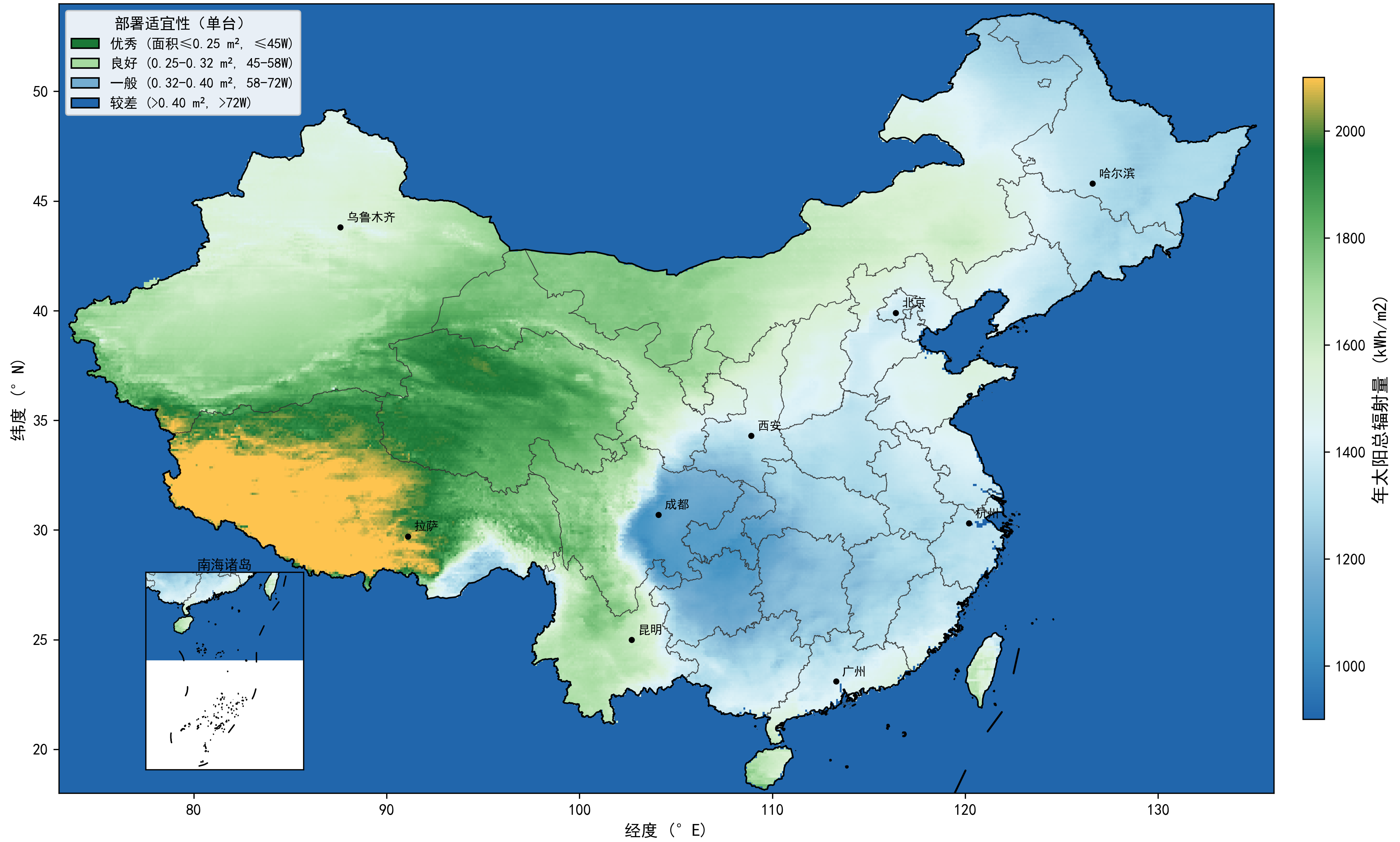
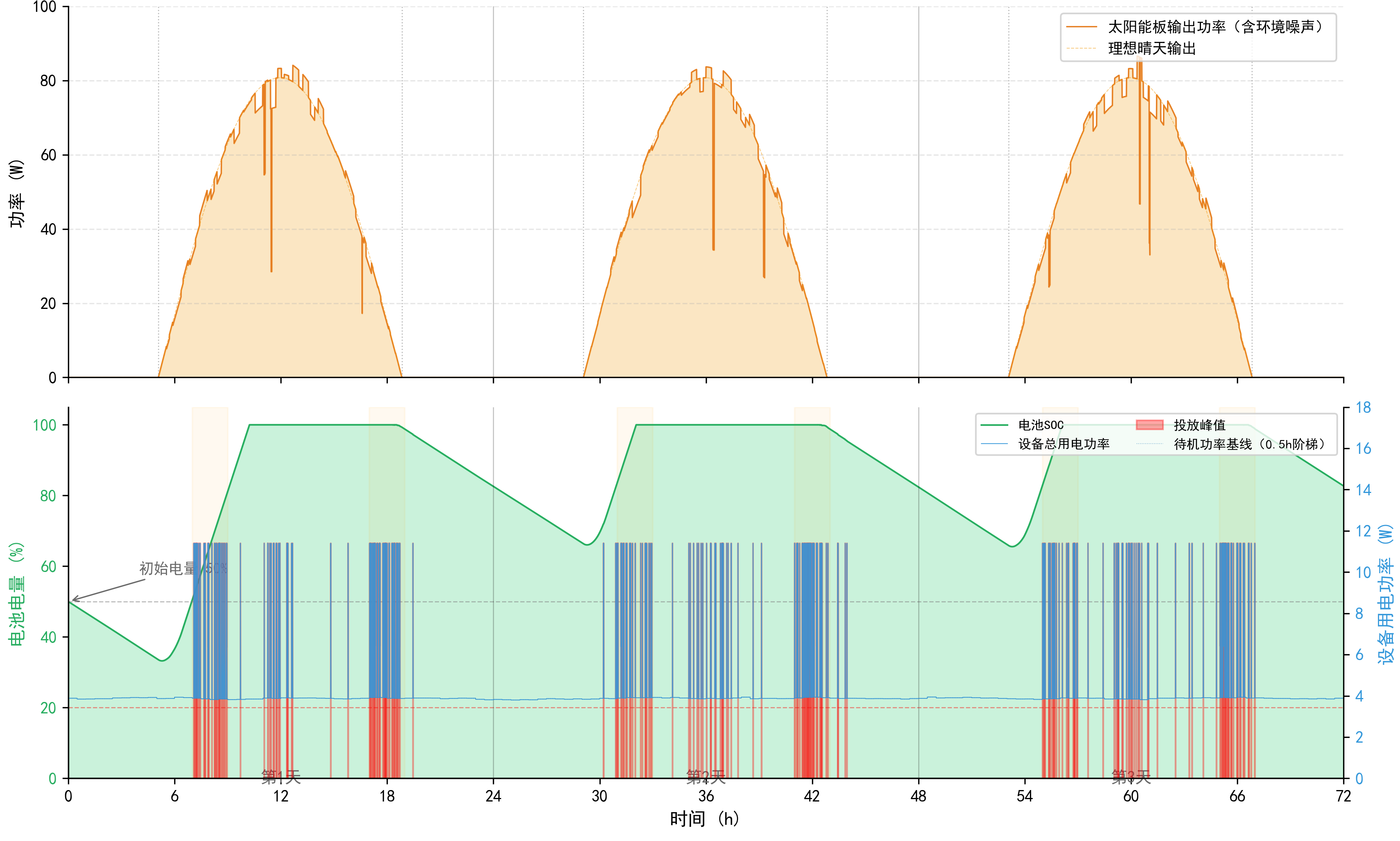
Further analysis was conducted using national surface shortwave radiation data, combined with measured power consumption of the prototype, to generate a national suitability assessment map. In regions with the most abundant solar resources, only approximately 0.19–0.25 m² A monocrystalline silicon panel is required to cover annual electricity consumption; even in areas with weaker sunlight, the required panel area is controlled within 0.30 m²Equivalent to the size of 4–5 sheets of A4 paper, it is entirely feasible from an engineering perspective.
Carbon-Pollution Twin Intelligent Computing Platform "GreenCloud"
The "Green Cloud" platform was independently designed by the team and primarily supportscloud-based data operation inspection and visualization, as well as precise carbon and pollution accounting visualization,among other functions. It also provides a human-computer interaction interface for the AI-RAG governance agent.The front end is built on Vue 3 + ECharts, supporting 3D digital twin campus visualization.
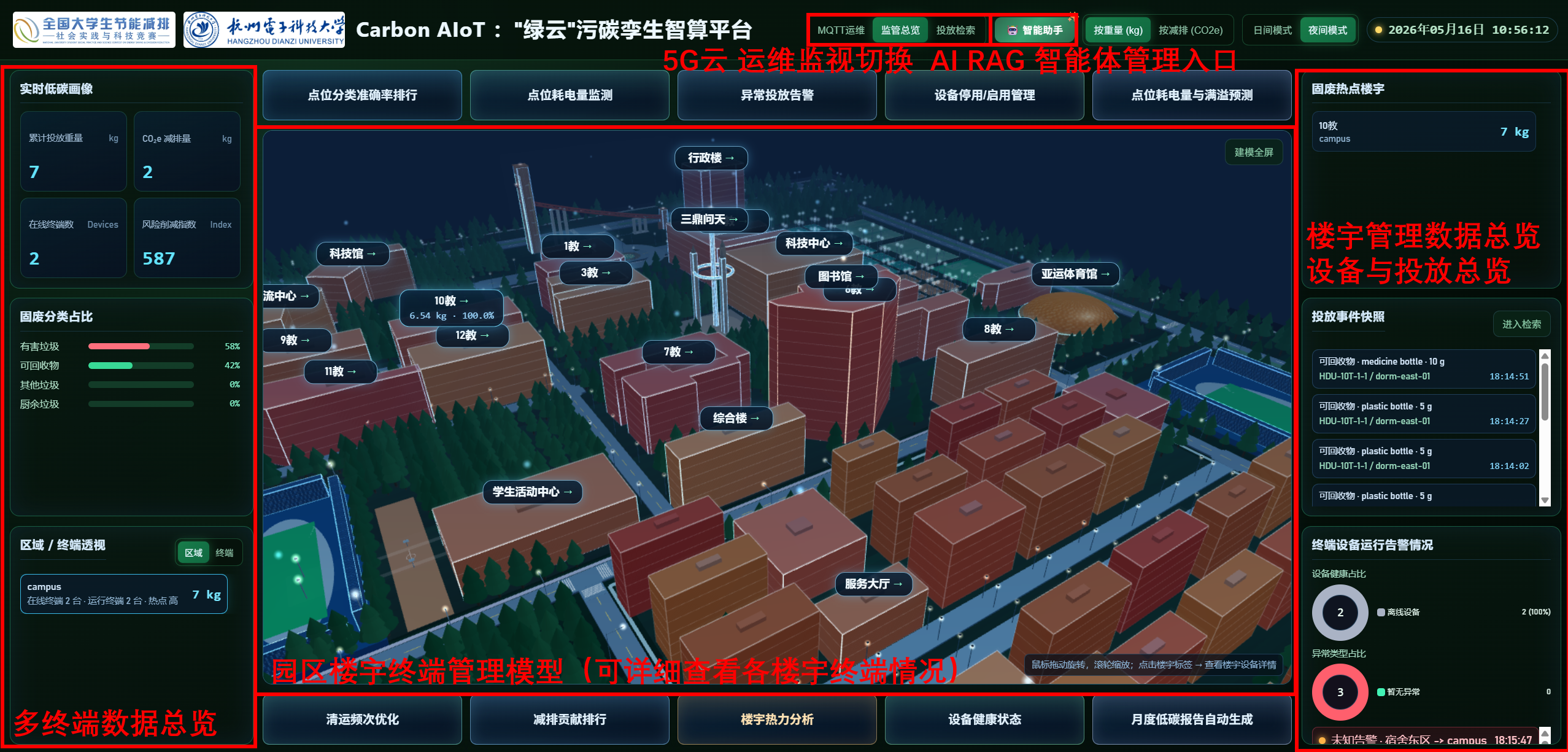
Traceable carbon and pollution reduction accounting model
The platform incorporatesa traceable carbon emission reduction and pollution reduction accounting model,which has been integrated with authoritative national factor databases (IPCC, CPCD), ensuring that every data point is verifiable. Core formulas:
$$\text{CO}_2\text{e} = w \cdot \alpha_i \quad (c_{\text{maj}} \in \{\text{recyclable, kitchen waste, hazardous}\})$$where $w$ is the weight of the disposed waste (measured by the weighing module), $n$ is the item count (identified via visual recognition), and $\alpha_i, \beta_i, \gamma_i$ are dynamic emission/reduction factors interfaced with the national database.
a human-computer interaction interface for the AI-RAG governance agent.
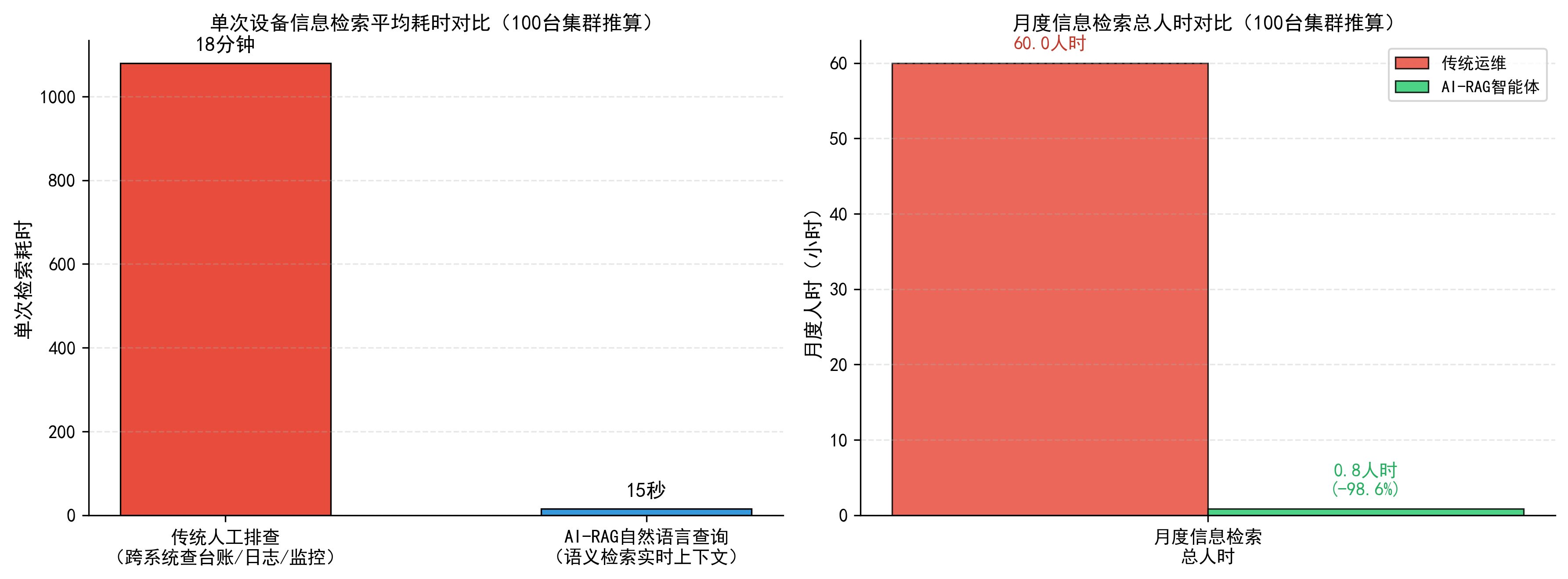
Built into the platform, a human-computer interaction interface for the AI-RAG governance agent.(based on LangChain + DeepSeek API) is responsible for anomaly detection and automatic alerting, 15 seconds per query,,representing an efficiency improvement of approximately 98.6%.。
The design of this agent directly extends the RAG engineering experience I accumulated during previous competitions in artificial intelligence in Zhejiang Province—from text chunking and dual-character retrieval ranking to DeepSeek API invocation and prompt constraints. The entire pipeline has been adapted and enhanced for operational scenarios within the Carbon AIoT context.
VLM self-evolving vision model
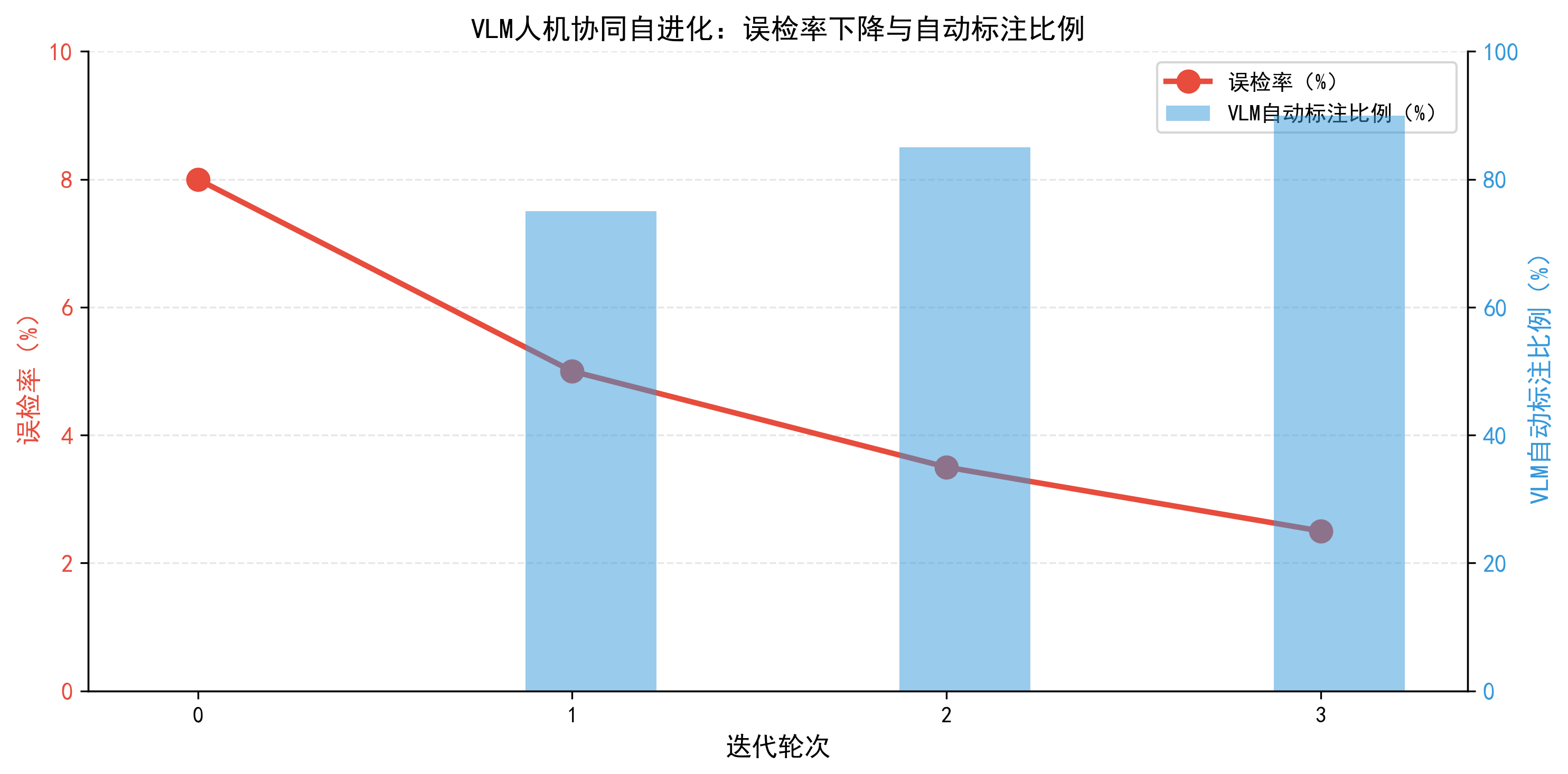
Beyond the edge vision model, the team also explored the self-evolution mechanism of VLM (Vision-Language Model): When the edge-deployed MobileNetV2 exhibits insufficient confidence in classifying a certain type of waste, the system can upload the image to a cloud-based VLM for auxiliary discrimination, and then reinject the discrimination result as a pseudo-label into the training set, thereby enabling continuous self-evolution of the model.
Quantitative Outcomes and Competition Progress
The following summarizes the core quantitative indicators of the Carbon AIoT system. Among them, the AI-RAG agent design has been awarded the provincial second prize inthe Zhejiang Provincial Artificial Intelligence Competition (Certificate No. ZJJS2025RGZNYZOQ); the National College Student Energy Conservation and Emission Reduction Social Practice and Science and Technology Competitionis currently under review.。
| Metrics | Value | Description |
|---|---|---|
| Fine-grained classification accuracy | 96.8% | MobileNetV2 TFLite INT8 quantized model |
| Edge inference latency | ~280 ms | Raspberry Pi 4B single frame |
| Annual power consumption per unit | 37.6 kWh | Including standby and operational energy consumption |
| AI-RAG retrieval efficiency improvement | ~98.6% | 18 min → ~15 sec per query |
| CO₂e emission reduction for 1,000 units over 5 years | Approximately 260 tons | Compared to traditional manual classification schemes |
| Equivalent tree planting | Approximately 13,000 trees per year | At a scale of 1,000 units |
| Total cost reduction over five years | 40.8% | Relative to traditional schemes |
| Demand for solar panels | 0.19–0.30 m² | Monocrystalline silicon, nationwide |
Green Cloud Demonstration Site
Access the online demonstration on the cloud platform to view the digital twin dashboard and the AI-RAG intelligent operation interface.
Status of the Energy Conservation and Emission Reduction Competition
National University Student Social Practice and Science & Technology Competition on Energy Conservation and Emission Reduction — Submission completed,Under review。