
Maintenance of the Electronics Laboratory, Organization of Intensive Training, and Development of Teaching Resources at the Honors College
This student role primarily focuses ondaily laboratory maintenance, training on instrument usage, organization of electronics design competition training, and the accumulation and inheritance of resources.Compared to one-off event execution, I place greater emphasis on gradually building the laboratory into an environment that can sustainably support competition training: equipment is maintained, resources are organized, training is passed on, and students who later enter the laboratory can get started more quickly.
Role Orientation and Responsibilities
Since 2024, I have continuously served as the Student Director of the Electronics Laboratory at the Honors College. This role is not merely about "duty maintenance," but rather about gradually transforming the laboratory from a space for storing equipment intoa shared engineering environment that supports training, competitions, and knowledge transfer.。
Daily Laboratory Maintenance
Responsible for routine environment inspections, workstation organization, equipment status verification, and archiving of commonly used resources, ensuring the laboratory remains continuously and stably available during training periods.
Instrument Usage Training
Focusing on commonly used instruments such as oscilloscopes, power supplies, and signal generators, assist new members in establishing standardized usage habits to minimize basic operational errors from the very beginning of training.
Competition Organization and Member Coordination
Coordinate internal laboratory training and competition arrangements, help members transition into a state of division of labor and collaboration, and provide continuous Q&A support and follow-up during the training phase.
Question Design and Evaluation Work
Participate in the question design and evaluation of the 2025 Excellence Academy Electronic Design Competition (Instrumentation Track), transforming the laboratory's routine training experience into more actionable assessment content.
Laboratory Maintenance and Training Support
What I value more is turning maintenance work into a continuous support chain rather than fragmented task handling. Whether it involves instruments, workstations, materials, or training instruction, the goal is to enable future laboratory members to build upon existing foundations and move forward.
Stage 1: Environment and Workstation Maintenance
Keep workstations, host computers, and commonly used equipment in a ready-to-use state, reducing the time members spend on preparation.
Stage 2: Instrument and Training Standards
Repeatedly emphasize common measurement methods, debugging procedures, and safety boundaries, so that training first establishes standards before pursuing speed.
Stage 3: Documentation and Reuse
Organize previous years' code, demonstration videos, documents, and training records into the laboratory's resource service, facilitating review and subsequent handover.
Stage 4: Training Organization and Q&A
Support intensive training Q&A, task explanations, and competition organization, advancing the laboratory from merely "having equipment" to "sustaining continuous training."
Regarding the documentation part, I have also been maintaining the laboratory's resource cloud drive service for a long time, storing past electronic design competition code, videos, and training documents. Like the intensive training videos below on this page, this is part of the construction work aimed at "enabling laboratory experience to be directly reused by subsequent members."
2025 Summer Intensive Training Instructional Videos
To serve the 2025 summer laboratory intensive training, I recorded and published three FPGA/STM32 instructional videos to help new members quickly fill foundational knowledge gaps before and after the training. 2026-04-02 the query results.
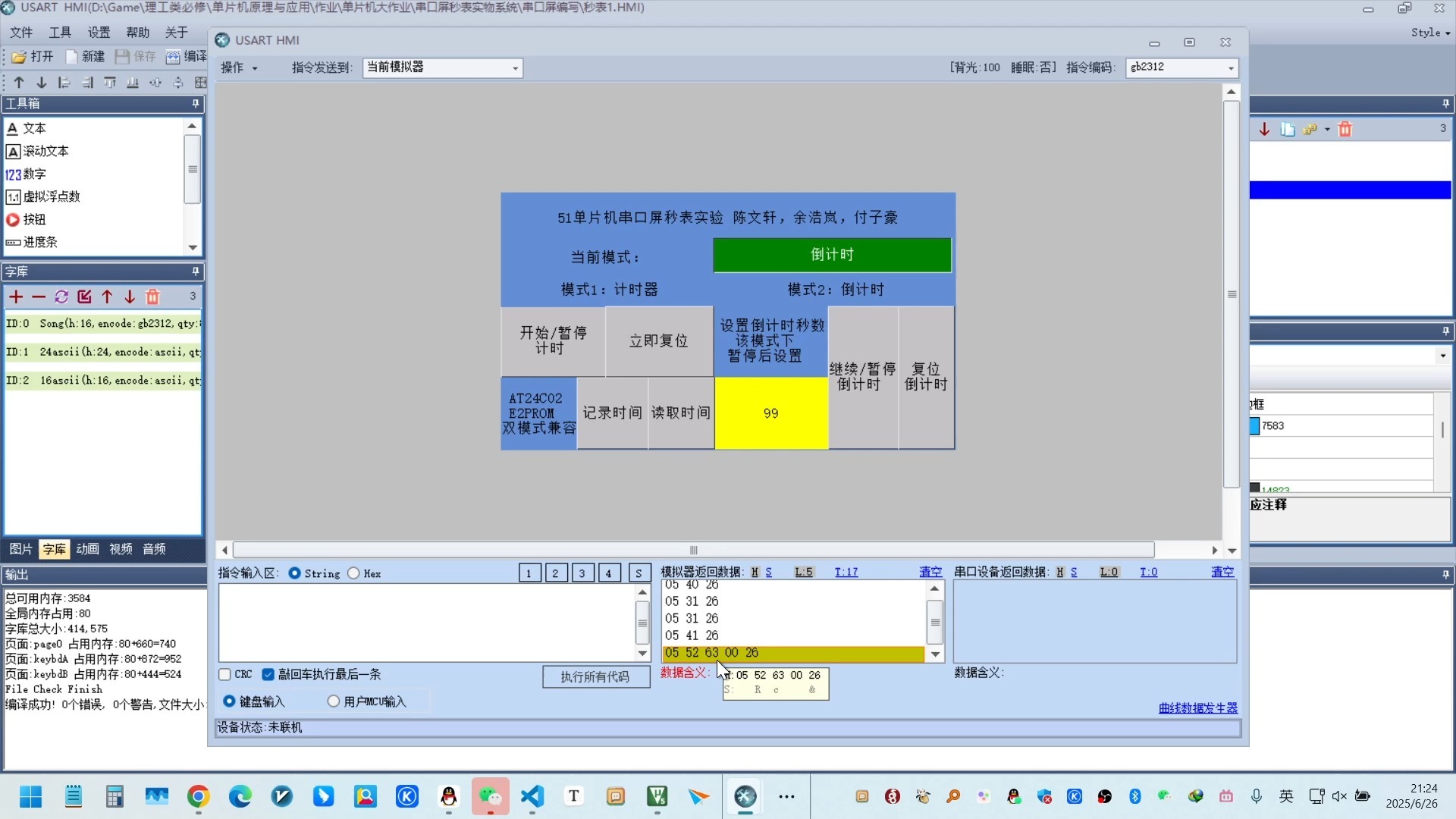
Hangzhou Dianzi University Excellence Science and Technology Association Summer Intensive Training STM32 Task 1 Explanation
Release Date: 2025-06-26 | View Count as of 2026-04-02: 1889
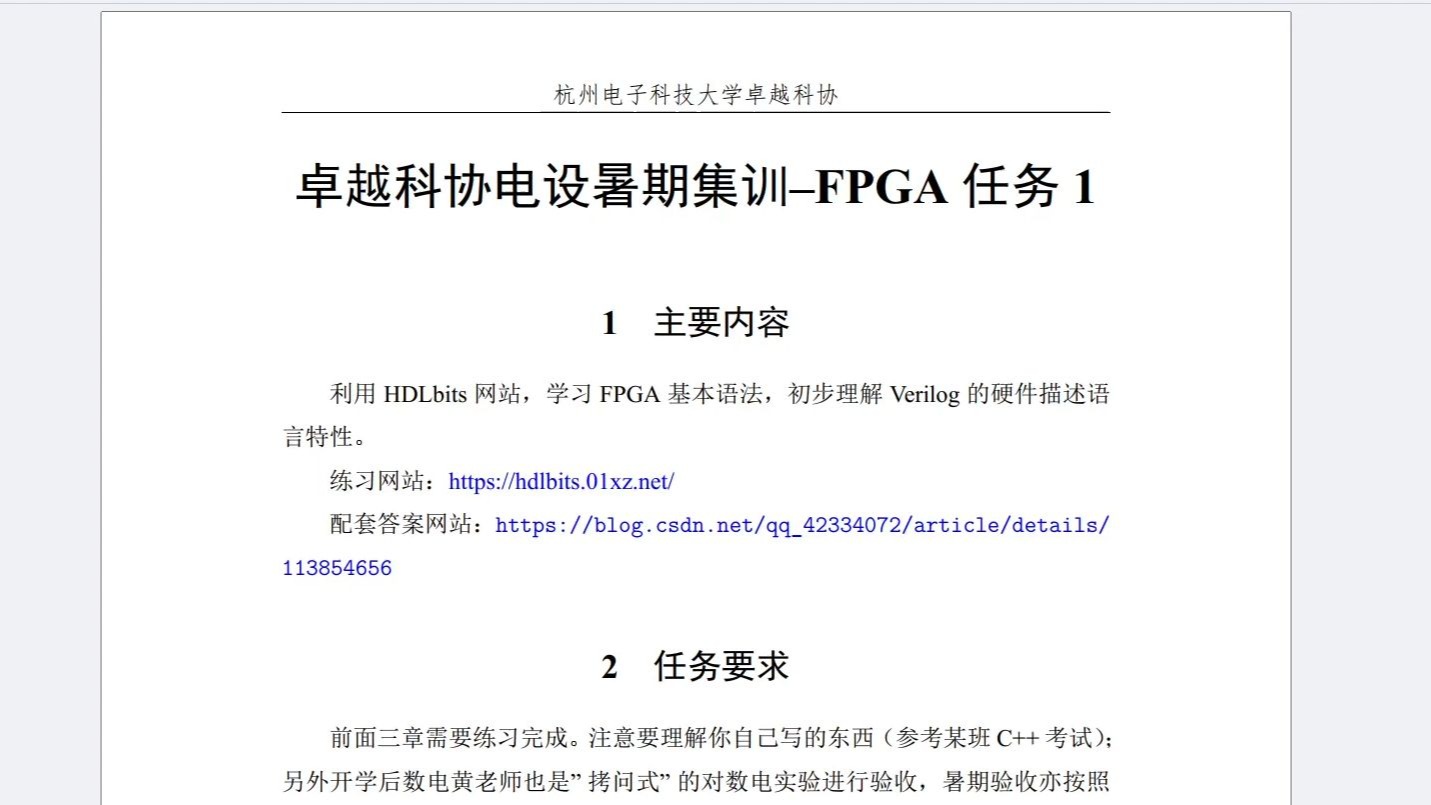
HDU Outstanding S&T Association Summer Training for Electronics Competition: FPGA Task 1 Explanation
Release Date: 2025-06-25 | Views as of 2026-04-02: 3,366
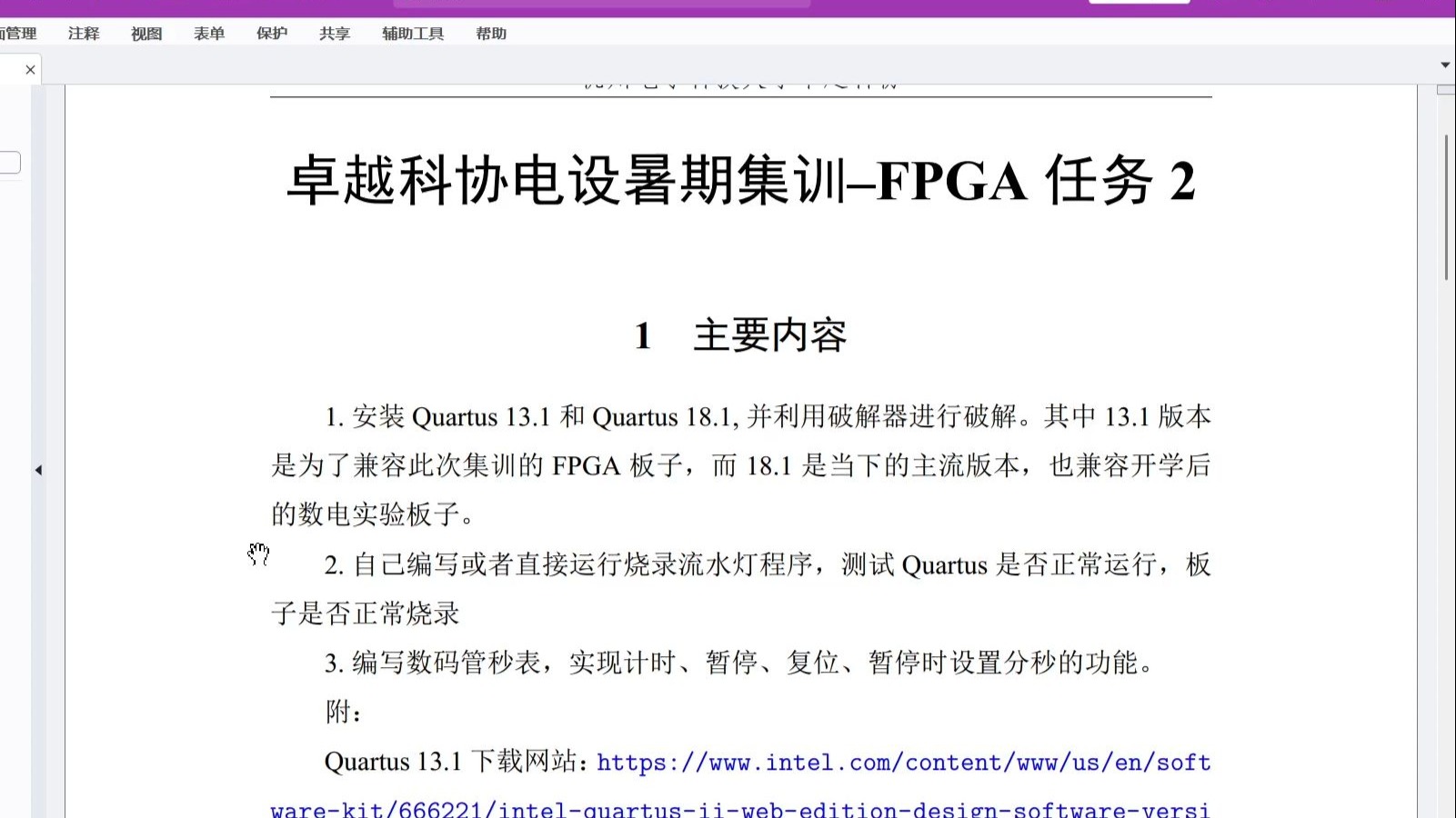
HDU Outstanding S&T Association Summer Training for Electronics Competition: FPGA Task 2 Explanation
Release Date: 2025-06-25 | Views as of 2026-04-02: 1,391
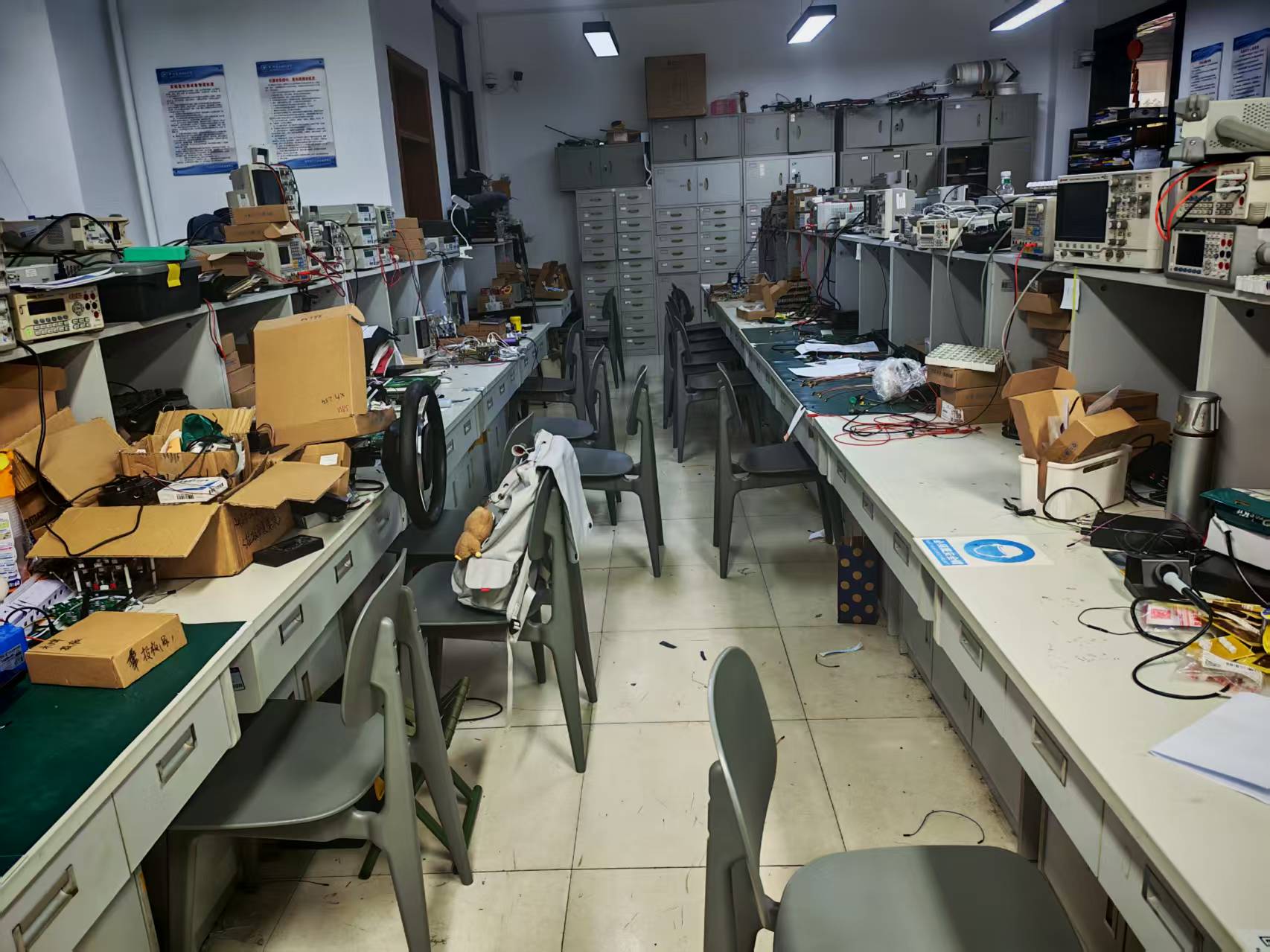
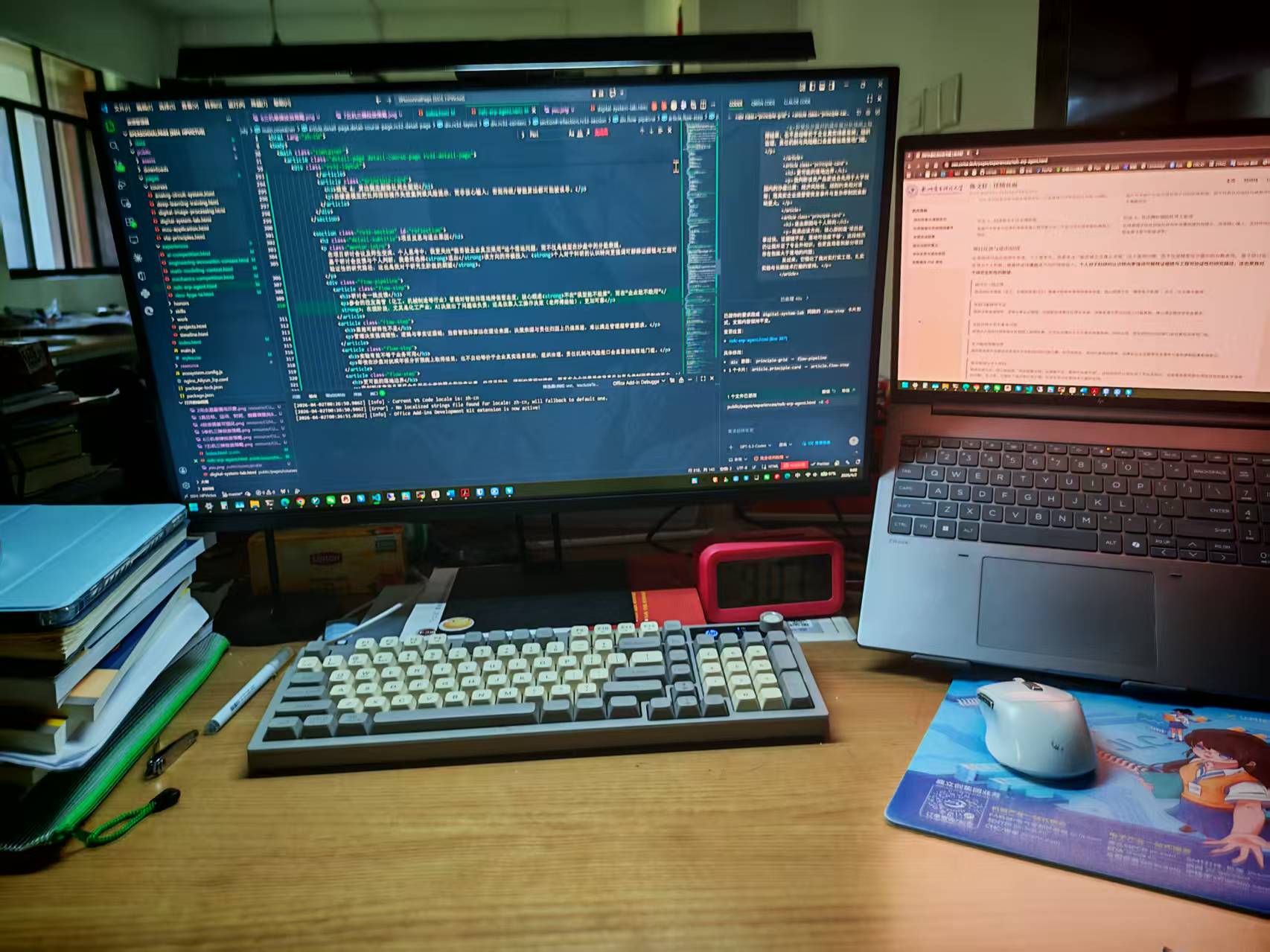
Photographs of the Laboratory Environment
The following two photographs depict the current overall environment of the laboratory and the status of the office workstation, which also represent the actual setting where I conduct routine maintenance and organize training activities.
Outcomes and Supplementary Links
Laboratory Data Service
A self-built cloud storage site is used to archive past competition codes, videos, documents, and shared materials, serving as part of the laboratory maintenance work.
Details of Competition Debugging Works
For further exploration of the technical implementation of phase-locked and phase-modulation techniques, competition training, and laboratory data services, please refer to the detailed page of competition works I have compiled.
View the Portfolio of Competition Debugging and Laboratory Support Works
Core Value of This Work
It is not about completing a single task, but gradually maintaining the laboratory as a public environment that supports continuous training, seamless handover, and sustained accumulation of experience.